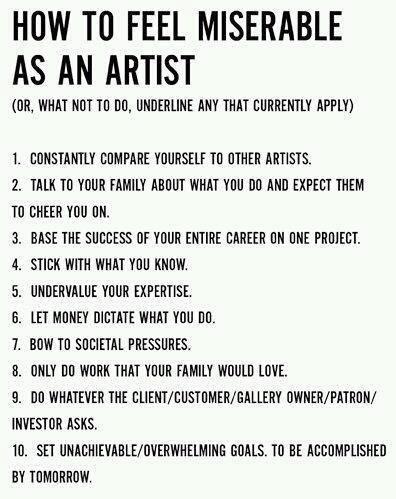
Meta-Practice

It’s a joy

On Tuesday, I drove 240 miles to de-install and pick up my work from Catskill, NY. Today, I spent over 2 hours in transit going to Chelsea and back to photograph my installation. After this, I’m going to color-correct the photos, then work on a residency application. (Meanwhile, my latest studio project has been untouched—frozen in a state of incompletion—for the past 1.5 weeks.)

There is little joy in schlepping. The transit left me knackered, and feeling not especially productive. But I want to contrast these niggling feelings about artists’ extrastudio activity with a different sentiment about being an artist, to make space for an attitude adjustment.

When I visited Michael Arcega’s and Stephanie Syjuco’s studios in San Francisco last Friday, it felt like this is where they report to work, because it’s their jobs to be artists. This is less about occupations—Arcega and Syjuco both work as teachers—and more to do with the seriousness and intention of their practices, of their drive to be making and exhibiting as artists. The visits made me want a bigger studio, and somehow restructure my life so that I can spend more and more of my time being an artist. I left feeling inspired to be more ambitious, diligent, and committed.

I savored this sense of forward momentum. During my long drive to Catskill, I came to this realization: Being an artist for a day—working on your art, managing your art career, even undertaking extrastudio activities—is a gift.

Artists often want to focus on studio work—most of us probably became artists because of the pleasures of creativity and discovery. But there is much more to being an artist, and rather than disparage the extrastudio work—the unending grant applications, the mounting rejection letters, the mindless schlepping—I thought about being grateful for it. There are countless other things competing for our attentions—but we choose to be artists, and therefore the activities we engage in are of our volition and intention.

A few points of reference come to mind:

Lee Pembleton, in my interview with Earthbound Moon for Art Practical, said,

We pour our resources in to the work. Of course, it is not a suffering work, but an ecstatic one.

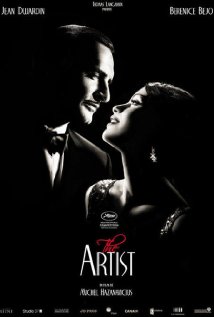
The Artist, directed by Michel Hazanavicius, is about finding pleasure, satisfaction, purpose, and happiness in one’s work. I won’t give away the ending, but I will say that there are spoken words in this nearly silent film, and they are of lasting import to me.

Yes, there is little pleasure in schlepping. But perhaps I can approach this work, in all of its facets, however transcendent or mundane, exciting or tedious, in terms of finding satisfaction and purpose. From that perspective, the ability to be an artist—the capacity and circumstances—are delights in themselves.

Standard
Impressions, Meta-Practice

See: Bill Cunningham New York and The Artist

Want inspiration? Watch these feature-length films.

Bill Cunningham New York

Bill Cunningham New York
Directed by Richard Press (2010)
[Visit the official site or watch the trailer.]

Portrait of the bike-riding, Carnegie-Hall-residing, NY Times street fashion photographer. A real photographer and  egalitarian. Made me want to go out and shoot hundreds of photos, and aspire to be unflappable of character and constantly amazed at life.

The Artist

The Artist
Directed by Michel Hazanavicius (2011)
[Visit the official site or watch the trailer.]

Heartbreakingly beautiful, symbolic, mostly-silent black-and-white movie about the rise and fall of stardom. A really potent, modern narrative about creative life and pride, brought to life with incredible cinematography, direction and acting (as well as great typography). I saw it yesterday and can’t wait to see it again.


Standard
Art Competition Odds

art competition odds: Lower East Side Printshop’s Special Editions Residency

The Lower East Side Printshop’s 2012 Special Editions Residency Program received over 500 applications for 3 residency openings.

///////////////////////////////////////////////////////////////////////////
///////////////////////////////////////////////////////////////////////////
///////////////////////////////////////////////////////////////////////////
///////////////////////////////////////////////////////////////////////////
///////////////////////////////////////////////////////////////////////////
///////////////////////////////////////////////////////////////////////////
//////////////////////////////////////////////////+ 

or about 1:166, or 0.6%.

[Year-to-year comparison: 2011’s odds are about the same—less applications, yet one less residency awarded. With the number of applications rounded down, the actual increase or decrease in competitiveness cannot be determined.]

See all Art Competition Odds.

Standard
Art Competition Odds

art competition odds: Catskill Film and Video Festival

The Greene County Council on the Arts’ Catskill Film and Video Festival program received over 100 applications for 32 selections.

///////////////////////////////////////////////////////////////////////////
/////////////////////////+

or about 1:3, or 32%.

Sources: Tattfoo Tan‘s iheartrejectionletters.com and greenarts.org.

See all Art Competition Odds.

Standard
Meta-Practice, Research

words on social practice and creativity

Christoph Büchel’s Piccadilly Community Centre: an exciting example of social practice.

J.J. Charlesworth’s “Hidden Intentions,” (Art Review, December 2011) introduced me to this brilliant intervention transforming the tony Central London Hauser & Wirth location (formerly a bank) into a working social centre, and not just for in-the-know art students, but for the public—senior citizens, yoga practitioners and so on. Piccadilly Circus is a popular tourist’s nexus like Times Square, where simply winding through crowds, dodging street salesmen, and finding a restroom can be exhausting. So Büchel’s gesture of turning an exclusive, expensive, private space into a rambunctious, free, public one is quite satisfying. I was also intrigued to read that

much was made of whether Büchel’s project was a comment on David Cameron’s ‘Big Society’

I find Büchel’s responsiveness commendable.

On irony, and bridging the divide between art and life

“Hidden Intentions” is not an exhibition review, but a speculative essay. Charlesworth also examines Matthew Darbyshire’s faux loft ads at Herald Street, writing that it

is interesting because, like Büchel’s community centre, it points backwards to interrogate the capacity of the viewer to recognise the gesture as ironic. Because irony always implies a ‘double’ audience—those who accept the gesture at face value and those who realise the gesture is simulated intentionally—it also implies a form of superiority, which is often couched in terms of criticism of another….

This is art that writes itself into the fabric of everyday life with only the fading trace of the artist as proof of its reality as a sort of ironic gesture, and in which the work’s audience is made complicity with the artist’s manipulation of the world of others…. Of course, it still needs the institutional frame of the artworld to allow it to happen, but in doing so, it takes to an extreme the postmedium scope of current artistic possibility, where in the end, the only thing that is distinguishable is the discursive setup of the artworld itself.

Conflict aids creativity?

So argues Jonah Lehrer in “Group Think: The Brainstorming Myth” (The New Yorker, January 20, 2o12). He presents evidence contrary to the widely-accepted prohibition against criticism in brainstorming:

According to [psychology professor Charlan] Nemeth, … “…debate… will always be more productive. True creativity requires some trade-offs.”

To Lehrer and Nemeth, I’d respond with a constructively critical, “Yes, but…”

Positive Sign #1, 2011, glitter and fluorescent pen with holographic foil print on gridded vellum, 8.5 × 11 in / 21.5 × 28 cm

Consider Mihaly Csikszentmihalyi‘s five stages of the creative process: preparation, incubation, insight, evaluation, and elaboration. I would think that debate is productive in some stages (such as evaluation and elaboration) and not others (such as preparation, incubation, and insight).

Perhaps more even-handed: sociologist Brian Uzzi analyzed musicals to find correspondences between social intimacy among creators and box office and critical success.

“The best Broadway teams, by far, were those with a mix of relationships,” Uzzi says. “These teams had some old friends, but they also had newbies. This mixture meant that artists could interact efficiently—they had a familiar structure to fall back on—but they also managed to incorporate some new ideas. They were comfortable, but not too comfortable.”

For artists considering creative and professional collaborators, choose carefully.

Lehrer also makes an exemplar of the MIT “rad lab”—where a disused building became home to divergent departments, creating spillover, and presumably, lending interdisciplinary gusto to the work of Chompsky, Bose, and other paradigm shifters. Lehrer concludes

The lesson of Building 20 is that when the composition is right—enough people with different perspectives running into on another in unpredictable ways—the group dynamic will take care of itself…. The most creative spaces are those which hurl us together.

I cringed when I read that last sentence, after my experiences in open-plan studios in graduate school. Unwanted intrusions can make focusing attention seem like a Herculean task. Being hurled together say, when you’re reading or trying to resolve an artwork, with someone taking a phone call or playing music, is not creative, but torturous. Psychologist Jonathan Haidt points out that humans can adapt to many things, but we never adapt to intermittent noise:

Research shows that people who must adapt to new and chronic sources of noise … never fully adapt, and even studies find some adaptation still find evidence of impairment on cognitive tasks. Noise, especially noise that is variable or intermittent, interferes with concentration and increases stress. It’s worth striving to remove sources of noise in your life.

Jonathan Haidt, The Happiness Hypothesis, New York: Basic Books (2006) 92.
Standard
Art Competition Odds

art competition odds: Millay Colony for the Arts 2012 residency

The Millay Colony for the Arts’ 2012 residency program received over 1,000 applications in the visual arts, writing, and musical composition for 55 residencies awarded.

///////////////////////////////////////////////////////////////////////////
///////////////////////////////////////////////////////////////////////////
///////////////////////////////////////////////////////////////////////////
///////////////////////////////////////////////////////////////////////////
///////////////////////////////////////////////////////////////////////////
///////////////////////////////////////////////////////////////////////////
///////////////////////////////////////////////////////////////////////////
///////////////////////////////////////////////////////////////////////////
///////////////////////////////////////////////////////////////////////////
///////////////////////////////////////////////////////////////////////////
///////////////////////////////////////////////////////////////////////////
///////////////////////////////////////////////////////////////////////////
///////////////////////////////////////////////////////////////////////////
/////////////////////////

or about 1:18, or 5.5%.

See all Art Competition Odds.

Standard
Art Competition Odds

art competition odds: Smack Mellon’s 2012 Artist Studio Program

This year, Smack Mellon’s 2012 Artist Studio Program received over 600 applications for 6 available studios.

///////////////////////////////////////////////////////////////////////////
///////////////////////////////////////////////////////////////////////////
///////////////////////////////////////////////////////////////////////////
///////////////////////////////////////////////////////////////////////////
///////////////////////////////////////////////////////////////////////////
///////////////////////////////////////////////////////////////////////////
///////////////////////////////////////////////////////////////////////////
///////////////////////////////////////////////////////////////////////////+

or about 1:100, or 1%.

See all Art Competition Odds.

Standard