Art Competition Odds

Art Competition Odds: Headlands Center for the Arts AIR

The Headlands Center for the Arts’ Artists in Residence program received 862 applications this year for 40 residencies awarded.

///////////////////////////////////////////////////////////////////////////
///////////////////////////////////////////////////////////////////////////
///////////////////////////////////////////////////////////////////////////
///////////////////////////////////////////////////////////////////////////
///////////////////////////////////////////////////////////////////////////
///////////////////////////////////////////////////////////////////////////
///////////////////////////////////////////////////////////////////////////
///////////////////////////////////////////////////////////////////////////
///////////////////////////////////////////////////////////////////////////
///////////////////////////////////////////////////////////////////////////
///////////////////////////////////////////////////////////////////////////
/////////////////////////////////////

or 1:21.5, or 4.6%

See all Art Competition Odds.

Standard
Art Competition Odds

Art Competition Odds: Akiyoshidai International Art Village Residency

Akiyoshidai International Art Village received 423 applications for four artists-in-residence for the 2012-2013 season.

///////////////////////////////////////////////////////////////////////////
///////////////////////////////////////////////////////////////////////////
///////////////////////////////////////////////////////////////////////////
///////////////////////////////////////////////////////////////////////////
///////////////////////////////////////////////////////////////////////////
////////////////////////////////////////////////

or about 1:105, or 0.9%

See all Art Competition Odds.

Standard
Meta-Practice

Via ArtInfo: 10 Pieces of Advice for Artists From Jerry Saltz’s Keynote Speech at Expo Chicago

Stay the course, fellow artists. Some words of wisdom from NY Mag art critic Jerry Saltz, via ArtInfo:

1. Go to an art school that doesn’t cost too much. Those who go to Yale and Columbia might get a nine-month career bump right after graduation, but you’ll all be back on the same level in a year, and you won’t be in as much debt.

2. Envy will eat you alive.

3. Stay up late with each other after all the professors go to sleep. Support one another.

4. You can’t think your way through an art problem. As John Cage said, “Work comes from work.”

5. Follow your obsessions. If you love the Cubs that much, maybe they need to be in your work.

6. Don’t take other people’s ideas of skill. Do brain surgery with an axe.

7. Don’t define success by money, but by time.

8. Do not let rejection define you.

9. Don’t worry about getting enough sleep. Worry about your work.

10. Be delusional. It’s okay to tell yourself you’re a genius sometimes.

Standard
Art Competition Odds

art competition odds: Djerassi Resident Artists Program

The Djerassi Resident Artists Program received over 600 applications for 65 residency openings in 2013.

///////////////////////////////////////////////////////////////////////////
///////////////////////////////////////////////////////////////////////////
///////////////////////////////////////////////////////////////////////////
///////////////////////////////////////////////////////////////////////////
///////////////////////////////////////////////////////////////////////////
///////////////////////////////////////////////////////////////////////////
///////////////////////////////////////////////////////////////////////////
///////////////////////////////////////////////////////////////////////////+

or 1:9.2, or 10.8%

See all Art Competition Odds.

Standard
Art Competition Odds

Art Competition Odds: Frieze’s EMDASH Award, 2013

Frieze Foundation’s EMDASH Award received over 750 applications this year for 1 award.

///////////////////////////////////////////////////////////////////////////
///////////////////////////////////////////////////////////////////////////
///////////////////////////////////////////////////////////////////////////
///////////////////////////////////////////////////////////////////////////
///////////////////////////////////////////////////////////////////////////
///////////////////////////////////////////////////////////////////////////
///////////////////////////////////////////////////////////////////////////
///////////////////////////////////////////////////////////////////////////
///////////////////////////////////////////////////////////////////////////
///////////////////////////////////////////////////////////////////////////

or 1:750, or 0.1%

See all Art Competition Odds.

Standard
Meta-Practice

Via Art Practical: Practical advice from Holland Cotter

NY Times Art Critic Holland Cotter shares:

I grew up with the idea that if you had the choice between gaining an experience and getting a thing, take the experience. And I’ve always done that. When I take a trip someplace, it lasts my lifetime; no one can take it away from me. I relive it all the time, and that intangible sense is what I really love. Objects I love, too, but not enough to want to have them in my possession.

And, on criticism:

It’s an evolutionary thing for me to figure out my own prejudices and preconceptions of what art should be like. …

What I want to do is be persuasive. That’s my main goal for writing, to invite people to share the experience I’ve had with art and see my enthusiasm for it or lack of enthusiasm for it, whichever may be the case. I don’t want to rap them on the knuckles and say, “You must know this.” I don’t want to talk down to people; I just want them to share my love of this stuff and my interest in it. To give people a way to latch onto it and realize why it’s important to their life that this stuff exists is my main goal.

Bad at Sports, “Profile: Holland Cotter,” Art Practical, 3.16

Standard
Artists

Amalia Pica

In my post-work, just-about-closing-time dash through The Ungovernables at the New Museum, I enjoyed Amalia Pica’s works. Looking deeper at the Argentinean artist’s ouvre, there’s still more that resonates with me and my practice—interests in celebration, simple forms, and the futility of language.

At Ungovernables:
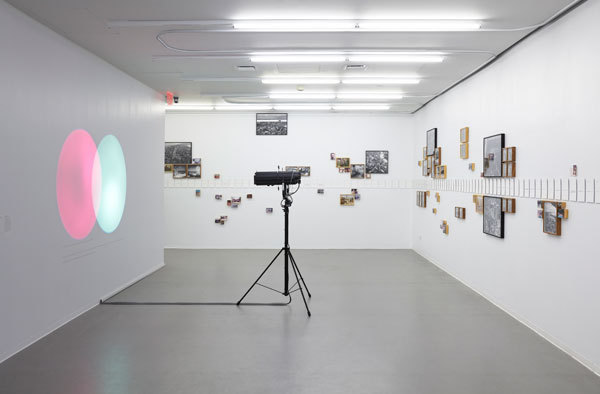
Installation view of the Ungovernables at the New Museum, NY. Foreground/left: Amalia Pica, Venn diagrams (under the spotlight). 2011 Installation with spotlights, motion sensors and text. // Source: NewMuseum.org.

Installation view of the Ungovernables at the New Museum, NY. Foreground/left: Amalia Pica, Venn diagrams (under the spotlight). 2011 Installation with spotlights, motion sensors and text. // Source: NewMuseum.org.

Amalia Pica, Venn diagrams (under the spotlight). 2011 Installation with spotlights, motion sensors and text. // Source: rolu.terapad.com.

Amalia Pica, Venn diagrams (under the spotlight). 2011 Installation with spotlights, motion sensors and text. // Source: rolu.terapad.com.

Amalia Pica, Eavesdropping (Version #2, large), 2011, found drinking glasses, glue. Collection of James Keith Brown and Eric Deifenbach, New York. // Source: Flavorwire.com.

Amalia Pica, Eavesdropping (Version #2, large), 2011, found drinking glasses, glue. Collection of James Keith Brown and Eric Deifenbach, New York. // Source: Flavorwire.com.

More projects:

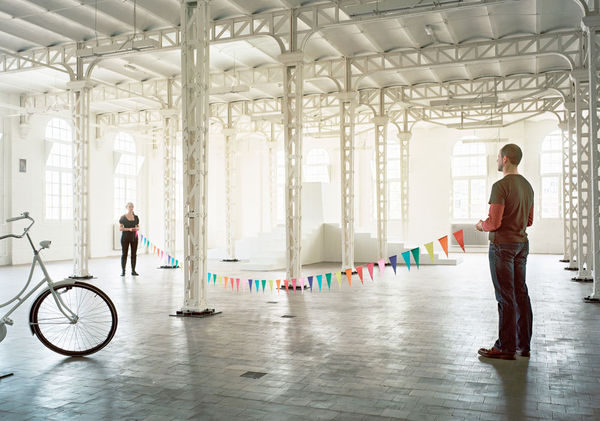
Amalia Pica, Strangers, 2008. Tableau vivant performed by two actors that never met before, holding a string of bunting for hours at time. Source: Artlicks.com.

Amalia Pica, Strangers, 2008. Tableau vivant performed by two actors that never met before, holding a string of bunting for hours at time. Source: Artlicks.com.

I love Strangers. What a brilliant project. I often think about how a work of art mediates relationships, and this project is a fantastic staging of such physical presence yet mediated distancing.

Amalia Pica’s forthcoming exhibition at Chisenhale (London)

elaborates upon Pica’s ongoing interest in the social act of listening, sites of celebration and technologies of mass communication.
(via Artlicks)
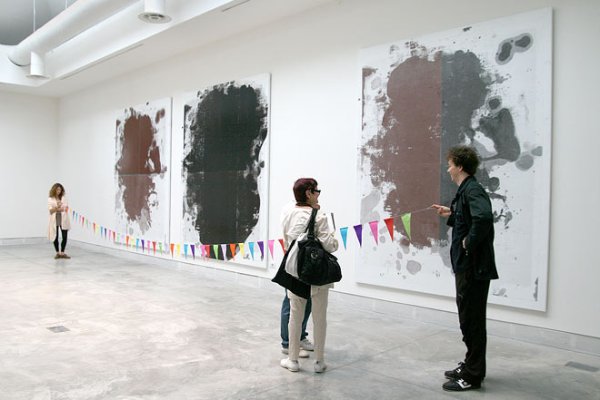
Amalia Pica, Strangers, 2008. Tableau vivant performed by two actors that never met before, holding a string of bunting for hours at time. // Source: Universes-in-universes.org.

Amalia Pica, Strangers, 2008. Tableau vivant performed by two actors that never met before, holding a string of bunting for hours at time. (Foreground. Christopher Wool paintings in background.) // Photo: Haupt & Binder // Source: Universes-in-universes.org.

Unsurprisingly, Marc Foxx Gallery in Los Angeles represents Pica. I’ve followed this gallery for years thanks to Foxx’s tastes in subtle, conceptual work.

Amalia Pica, Some of that Colour #4, 2011. Paper flags, drained paper flag dye on watercolor paper, chair. 78 x 155 x 60.5 inches. // Source: MarcFoxx.com.
Amalia Pica, Some of that Colour #4, 2011. Paper flags, drained paper flag dye on watercolor paper, chair. 78 x 155 x 60.5 inches. // Source: MarcFoxx.com.

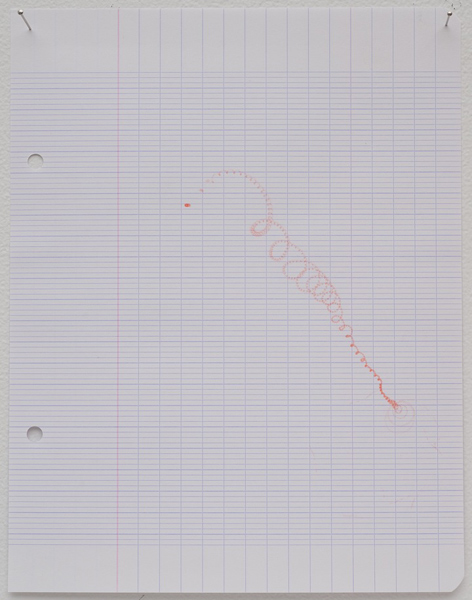
Amalia Pica, Spinning Trajectories - #1, 2009. Felt pen spinning top on graph paper. Individual works, various sizes. // Source: MarcFoxx.com.

Amalia Pica, Spinning Trajectories – #1, 2009. Felt pen spinning top on graph paper. Individual works, various sizes. // Source: MarcFoxx.com.

Amalia Pica, Spinning Trajectories - #4, 2009. Felt pen spinning top on graph paper. Individual works, various sizes. // Source: MarcFoxx.com.

Amalia Pica, Spinning Trajectories – #4, 2009. Felt pen spinning top on graph paper. Individual works, various sizes. // Source: MarcFoxx.com.

I love the simplicity of these gestures—a variant of a similar impulse behind Ceal Floyer’s Ink on Paper series.

Amalia Pica, Under the spotlight (white on white), 2011. Installation with spotlight, motion sensor, paper and paint. Source: MarcFoxx.com.

Amalia Pica, Under the spotlight (white on white), 2011. Installation with spotlight, motion sensor, paper and paint. Source: MarcFoxx.com.

Standard